Embarking on the journey of passing a building envelope inspection opens doors to a world of essential knowledge and practical tips. This guide dives deep into the intricacies of building envelope inspections, offering valuable insights and expert advice.
From understanding the importance of passing these inspections to addressing common problems that may arise, this guide equips you with the tools needed to navigate the inspection process with confidence.
Understanding Building Envelope Inspections
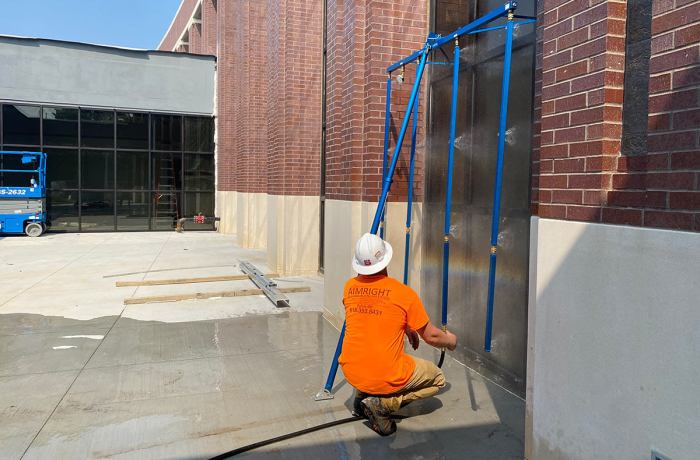
Building envelope inspections are crucial assessments carried out to ensure the structural integrity, energy efficiency, and overall functionality of a building’s envelope. The envelope acts as a barrier between the interior and exterior environments, protecting the building from elements such as water, air, and temperature fluctuations.
It is essential to understand the purpose and significance of these inspections to maintain a safe and sustainable building structure.
Purpose of Building Envelope Inspections
Building envelope inspections aim to identify any issues or deficiencies in the envelope that may compromise the building’s performance. By conducting these inspections, building owners and inspectors can prevent water intrusion, air leakage, and energy loss, ultimately extending the lifespan of the structure and ensuring occupant comfort and safety.
Importance of Passing a Building Envelope Inspection
- Ensures structural integrity of the building.
- Promotes energy efficiency and reduces utility costs.
- Prevents water intrusion and mold growth.
- Enhances occupant comfort and indoor air quality.
Common Components Inspected in Building Envelope
- Exterior walls
- Roofing systems
- Windows and doors
- Foundation and basement walls
- Insulation and air barriers
Preparing for a Building Envelope Inspection
Preparing for a building envelope inspection is crucial to ensure that the structure meets the necessary standards. It involves several key steps and the collection of specific documentation.
Steps for Preparation
- Inspect the building envelope yourself beforehand to identify any visible issues.
- Address any maintenance or repair needs to ensure the building is in good condition.
- Review the building plans and specifications to understand the design and materials used.
- Coordinate with the inspection team to schedule a convenient time for the inspection.
Documentation Required
Prior to the inspection, gather the following documentation to present to the inspectors:
- Building permits and approvals for the construction work.
- Manufacturer’s specifications for all building envelope components.
- Construction drawings and details of the building envelope.
- Maintenance records and reports of any previous inspections.
Tips for Meeting Inspection Standards
- Ensure all building envelope components are properly installed and sealed to prevent air or water infiltration.
- Check for any signs of moisture damage or leaks and address them promptly.
- Verify that insulation is installed correctly and meets the required R-values.
- Inspect windows, doors, and other openings for proper sealing and weather-stripping.
- Perform a blower door test to assess the airtightness of the building envelope.
Conducting a Building Envelope Inspection
When it comes to conducting a building envelope inspection, it is crucial to follow a systematic approach to ensure all areas are thoroughly examined. Inspectors play a vital role in this process, as they are responsible for identifying any issues or deficiencies that could compromise the integrity of the building.
The Role of Inspectors During the Inspection
Inspections typically involve a detailed assessment of the building envelope, including the walls, roof, windows, doors, and foundation. Inspectors are trained to look for signs of water infiltration, air leakage, structural damage, and other issues that could impact the performance of the building envelope.
- Inspectors will use specialized tools such as moisture meters, thermal imaging cameras, and borescopes to identify hidden problems.
- They will also conduct visual inspections to check for cracks, gaps, or other visible signs of damage.
- Inspectors may perform water tests to determine the effectiveness of the building envelope in preventing water intrusion.
- After the inspection, inspectors will provide a detailed report outlining any issues found and recommendations for repairs or improvements.
Common Issues During the Inspection
During a building envelope inspection, inspectors may encounter a variety of common issues that could indicate underlying problems within the building envelope.
- Water stains on walls or ceilings, which could indicate water infiltration.
- Cracks or gaps in the exterior walls or foundation, which could allow water or air to penetrate the building envelope.
- Improperly sealed windows or doors, leading to air leakage and decreased energy efficiency.
- Bulging or warped siding, which could be a sign of moisture damage or structural issues.
Addressing Common Problems
During building envelope inspections, several common problems may be identified that could compromise the integrity and performance of the building. It is essential to address these issues promptly to ensure the safety and longevity of the structure.
Water Intrusion
Water intrusion is a prevalent issue that can lead to mold growth, structural damage, and deterioration of building materials. To address water intrusion, it is crucial to identify and repair any leaks in the roof, windows, doors, or walls. Properly maintaining and sealing these areas can help prevent water from seeping into the building.
Poor Insulation
Inadequate insulation can result in energy loss, uncomfortable indoor temperatures, and increased utility bills. To address poor insulation, consider adding or replacing insulation in the walls, attic, and floors. Upgrading to energy-efficient windows and doors can also help improve insulation and reduce energy consumption.
Air Leaks
Air leaks can significantly impact the energy efficiency of a building by allowing conditioned air to escape and outdoor air to enter. To address air leaks, seal gaps and cracks around windows, doors, and other openings. Installing weather-stripping and caulking can help prevent air leakage and improve energy efficiency.
Deteriorating Building Materials
Over time, building materials such as wood, concrete, and metal can deteriorate due to exposure to the elements. Regular maintenance, including cleaning, sealing, and repainting, can help prevent deterioration and extend the lifespan of these materials. Inspecting and repairing any signs of damage promptly is essential to avoid costly repairs in the future.
Final Summary
As we conclude this discussion on how to pass a building envelope inspection, it becomes evident that preparation, attention to detail, and proactive maintenance are key components of ensuring a successful inspection. By following the guidelines Artikeld in this guide, you can navigate the inspection process seamlessly and maintain the integrity of your building’s envelope.
Commonly Asked Questions
What is the purpose of building envelope inspections?
Building envelope inspections aim to assess the integrity and performance of the structure’s exterior components, including walls, roof, and foundation, to ensure they meet safety and regulatory standards.
What documentation is required for a successful inspection?
Documentation such as building plans, permits, and previous inspection reports may be needed for a successful building envelope inspection.
How can I ensure my building meets inspection standards?
To ensure your building meets inspection standards, conduct regular maintenance, address any issues promptly, and follow guidelines set forth by regulatory bodies.