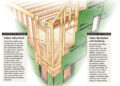
Exploring the world of Building Envelope Materials That Cut Energy Costs, this introduction sets the stage for a detailed exploration of how specific materials can lead to significant energy savings in construction projects.
It provides insights into the various types of materials, their benefits, factors to consider during selection, innovative technologies, and real-world case studies showcasing successful implementations.
Types of Building Envelope Materials
When it comes to constructing energy-efficient buildings, the choice of building envelope materials plays a crucial role in reducing energy costs and improving overall sustainability. Different types of materials are used to enhance the energy efficiency of buildings, providing better insulation, air sealing, and thermal performance.
Insulation Materials
Insulation materials are commonly used in building envelopes to reduce heat transfer and maintain a comfortable indoor temperature. Examples of insulation materials include fiberglass, cellulose, foam board, and mineral wool. These materials help to minimize heat loss in winter and heat gain in summer, leading to lower energy consumption for heating and cooling.
Air Barrier Materials
Air barrier materials are essential for preventing air leakage through the building envelope, which can lead to energy loss and reduced indoor air quality. Common air barrier materials include house wraps, spray foam, and rigid foam insulation. These materials help to create a tight seal around the building envelope, reducing the need for excessive heating and cooling.
Thermal Mass Materials
Thermal mass materials, such as concrete, brick, and stone, are used in building envelopes to absorb and store heat, regulating indoor temperatures and reducing the need for mechanical heating and cooling systems. These materials can help stabilize indoor temperatures, improving energy efficiency and reducing reliance on HVAC systems.
Reflective Roofing Materials
Reflective roofing materials, like cool roofs or metal roofs, are used to deflect sunlight and reduce heat absorption, keeping buildings cooler in hot climates. By reflecting solar radiation, these materials help to lower cooling costs and decrease the heat island effect in urban areas.
Benefits of Energy-Efficient Building Envelope Materials
Using energy-efficient building envelope materials can lead to significant cost savings by reducing energy consumption in buildings. These materials help to better insulate the structure, minimize heat loss, and maintain a comfortable indoor environment without heavy reliance on heating or cooling systems.
Improved Insulation
- Energy-efficient building envelope materials, such as spray foam insulation or insulated concrete forms, provide superior insulation compared to traditional materials like fiberglass.
- Enhanced insulation reduces heat transfer through walls, roofs, and floors, resulting in lower energy consumption for heating and cooling.
Reduced Energy Consumption
- By minimizing heat loss and heat gain, energy-efficient building envelope materials can significantly lower the energy needed to maintain a consistent indoor temperature.
- This leads to reduced reliance on HVAC systems, resulting in lower energy bills and decreased environmental impact.
Durability and Longevity
- Energy-efficient building envelope materials are often more durable and resistant to wear and tear, requiring less maintenance over time.
- These materials can contribute to the overall longevity of a building, reducing the need for frequent repairs or replacements.
Factors to Consider When Selecting Building Envelope Materials
When selecting building envelope materials that cut energy costs, architects and builders must consider various factors to ensure the effectiveness and efficiency of the building. Factors such as climate, building design, and budget play a crucial role in determining the most suitable materials to use.
Climate
Climate is a key factor that architects and builders need to consider when selecting building envelope materials. Different climate zones require different types of materials to ensure optimal energy efficiency. For example, in colder climates, materials with high insulation properties are essential to reduce heat loss and energy consumption.
On the other hand, in warmer climates, materials that can reflect heat and maintain cool indoor temperatures are more suitable.
Building Design
The design of the building also influences the choice of building envelope materials. Factors such as the orientation of the building, the number and size of windows, and the overall layout can impact the performance of the materials. Architects need to select materials that complement the design and enhance the energy efficiency of the building.
For example, buildings with large windows may require materials with high solar heat gain coefficients to maximize natural light and reduce the need for artificial lighting.
Budget
Budget constraints are another important factor to consider when selecting building envelope materials. While energy-efficient materials may have a higher upfront cost, they can lead to long-term savings on energy bills. Architects and builders need to weigh the initial investment against the potential energy savings over time to determine the most cost-effective option.
It is essential to strike a balance between upfront costs and long-term benefits to ensure the overall affordability of the project.
Innovative Technologies in Building Envelope Materials
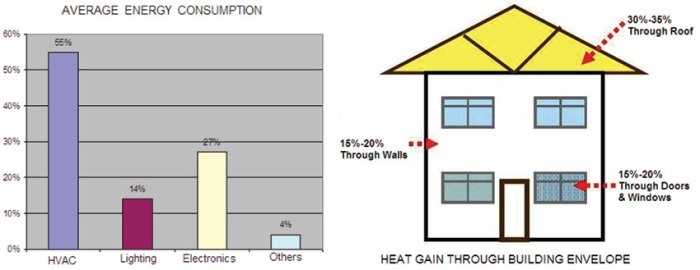
Advancements in materials science have led to the development of cutting-edge technologies in building envelope materials, aimed at enhancing energy efficiency and overall performance.
Smart Glass Technology
Smart glass technology, also known as switchable glass, allows the transparency of windows to be controlled dynamically. This technology enables windows to adjust their tint based on external conditions, reducing the need for heating and cooling. By blocking sunlight during peak hours and allowing natural light in when needed, smart glass contributes to significant energy savings in buildings.
Aerogel Insulation
Aerogel is a highly porous material that offers exceptional thermal insulation properties. It is incredibly lightweight and has a very low thermal conductivity, making it an ideal choice for building envelope insulation. Aerogel insulation can greatly reduce heat transfer through walls, roofs, and windows, leading to improved energy efficiency and reduced heating and cooling costs.
Phase Change Materials (PCMs)
Phase change materials are substances that can store and release large amounts of thermal energy during phase transitions. When incorporated into building envelope materials, such as walls or roofs, PCMs can help regulate indoor temperatures by absorbing excess heat during the day and releasing it at night.
This process reduces the need for mechanical heating and cooling systems, resulting in energy savings and improved comfort for building occupants.
Case Studies
In this section, we will explore real-world examples of buildings that have successfully integrated energy-efficient envelope materials, showcasing the impact of these materials on reducing energy consumption and costs in different climates.
Energy-Efficient Envelope Materials in Office Building A
Office Building A, located in a temperate climate zone, implemented energy-efficient envelope materials such as high-performance insulation, low-emissivity windows, and a reflective roof. As a result, the building was able to significantly reduce heat loss during the winter and minimize heat gain in the summer.
This led to a substantial decrease in heating and cooling costs throughout the year.
Energy-Efficient Envelope Materials in Residential Complex B
Residential Complex B, situated in a hot and humid climate, adopted energy-efficient envelope materials including thermal mass walls, shading devices, and natural ventilation systems. By incorporating these materials, the complex was able to maintain comfortable indoor temperatures without excessive reliance on air conditioning.
This resulted in a considerable reduction in electricity consumption and lower utility bills for residents.
Ending Remarks
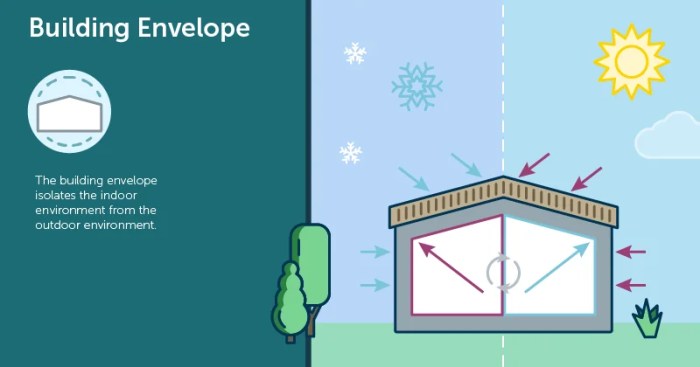
In conclusion, Building Envelope Materials play a crucial role in reducing energy costs and improving sustainability in construction projects. By understanding the different aspects of these materials, architects and builders can make informed decisions that contribute to a greener future.
Questions Often Asked
What are some common types of Building Envelope Materials?
Common types include insulation materials, reflective coatings, and high-performance windows.
How do energy-efficient Building Envelope Materials help in reducing costs?
They help in reducing heating and cooling expenses by providing better insulation and reducing energy waste.
What role does climate play in selecting Building Envelope Materials?
Climate influences the choice of materials as they need to be suitable for the local weather conditions to maximize energy savings.