Delve into the world of Alexander Brodsky: Russian Architecture That Speaks Volumes, where creativity meets cultural richness, and innovation intertwines with tradition. Prepare to be captivated by his unique architectural style and the stories his designs tell.
As we explore the life and work of Alexander Brodsky, we uncover a realm where architectural marvels transcend mere structures, speaking volumes about history, culture, and the human experience.
Overview of Alexander Brodsky
Alexander Brodsky is a renowned Russian architect known for his unique and thought-provoking approach to architecture. With a background in both fine arts and architecture, Brodsky has made significant contributions to the world of design through his innovative and unconventional projects.
Significance in the World of Architecture
Alexander Brodsky is highly regarded for his ability to blend art and architecture seamlessly, creating structures that challenge traditional notions of design and aesthetics. His work often explores themes of memory, history, and the passage of time, resulting in buildings that evoke a sense of nostalgia and contemplation.
Notable Projects
- Garage Center for Contemporary Culture in Moscow: Brodsky collaborated on this project, transforming a 1920s bus depot into a vibrant cultural center that showcases contemporary art and design.
- Island of Crimea Pavilion: This installation at the Venice Biennale features a series of miniature architectural models floating on a wooden platform, highlighting Brodsky’s intricate attention to detail and storytelling.
- House of the Sun: A temporary pavilion created for the Chicago Architecture Biennial, this project explores the concept of light and shadow through a series of intricate wooden structures.
Unique Architectural Style
Alexander Brodsky is known for his unique architectural style that blends elements of surrealism, minimalism, and nostalgia. His work often features a combination of traditional materials like wood and metal with unconventional design concepts, creating a sense of whimsy and imagination in his structures.
Key Elements of Brodsky’s Work
- Use of found objects: Brodsky incorporates everyday objects into his architectural designs, adding a sense of history and storytelling to his work.
- Surrealistic elements: His structures often defy conventional architectural norms, playing with scale, proportion, and perspective to create dreamlike environments.
- Nostalgic themes: Brodsky’s work is heavily influenced by his memories of Soviet-era Russia, with buildings that evoke a sense of longing for the past.
- Minimalist approach: Despite the intricate details in his designs, Brodsky maintains a minimalist aesthetic, focusing on simplicity and elegance.
Differences from Traditional Russian Architecture
Alexander Brodsky’s style differs from traditional Russian architecture in several ways. While traditional Russian architecture often emphasizes ornate decorations, colorful facades, and grandiose structures, Brodsky’s work tends to be more understated and introspective. His focus on found objects, surreal elements, and minimalist design sets him apart from the more traditional approaches seen in Russian architecture.
Influence of Russian Culture
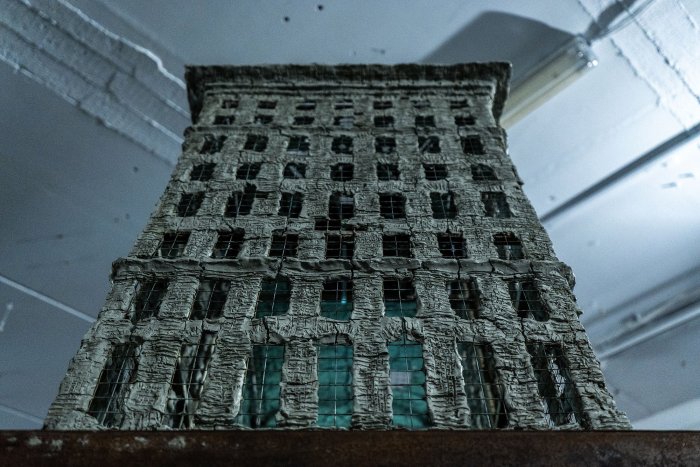
Alexander Brodsky’s architectural designs are deeply influenced by Russian culture and history, reflecting a unique blend of tradition and innovation.
Cultural References and Symbols
Brodsyky often incorporates elements of Russian folklore, literature, and art into his works, using symbols and references to evoke a sense of nostalgia and connection to the country’s rich cultural heritage.
Storytelling in Architecture
Through his architectural creations, Brodsky weaves narratives that tell stories of Russia’s past, present, and future. His buildings act as visual poems, inviting viewers to engage with the spaces and interpret the meanings behind his designs.
Use of Materials and Space
In Alexander Brodsky’s architectural projects, the use of materials and manipulation of space play a crucial role in creating unique and thought-provoking experiences for the viewers.
Materials Used
Alexander Brodsky often incorporates unconventional materials in his designs, such as reclaimed wood, metal scraps, and industrial debris. These materials not only add a sense of history and authenticity to his structures but also challenge the traditional notions of architectural materials.
By using these unconventional materials, Brodsky creates a dialogue between past and present, highlighting the beauty in decay and imperfection.
Manipulation of Space
Brodsky’s manipulation of space is characterized by a sense of ambiguity and disorientation. He often plays with scale, proportions, and perspective to create spaces that feel both familiar and unfamiliar at the same time. The use of narrow passageways, hidden rooms, and unexpected openings adds an element of surprise and intrigue to his designs, inviting viewers to explore and interact with the space in unconventional ways.
Relationship between Materials and Design Concept
The choice of materials in Brodsky’s projects is closely tied to the overall design concept. By using materials with a rich history and patina, Brodsky infuses his structures with a sense of nostalgia and storytelling. The juxtaposition of these materials with modern architectural elements creates a dynamic tension that challenges the viewers’ perceptions of space and materiality.
This deliberate contrast between the old and the new serves as a metaphor for the complexities of Russian culture and history, inviting viewers to reflect on the layers of meaning embedded in the built environment.
Summary
In conclusion, Alexander Brodsky’s architectural creations not only shape physical spaces but also narratives that echo through time. His ability to blend tradition with innovation creates a dialogue between past and present, inviting us to ponder the essence of Russian architecture and its profound significance.
General Inquiries
What makes Alexander Brodsky’s architectural style unique?
Alexander Brodsky’s style is distinctive for its blend of traditional Russian elements with modern innovation, creating a captivating narrative within his designs.
How does Russian culture influence Alexander Brodsky’s work?
Russian culture and history play a significant role in Brodsky’s designs, often incorporating cultural references and symbols that add depth and meaning to his architectural creations.
What materials does Alexander Brodsky commonly use in his projects?
Brodsky is known to use a mix of traditional Russian building materials like wood and metal, along with contemporary materials, to bring a unique texture and character to his structures.