Delving into the world of architecture, Alexander Brodsky’s unique approach combines traditional elements with modern innovation, creating a captivating blend that pushes boundaries and challenges conventions. As we unravel the layers of his work, we discover a seamless fusion of the past and the future, where tradition meets cutting-edge design.
From his background in traditional architecture to his daring material experiments, Brodsky’s portfolio is a testament to his ability to bridge the gap between tradition and innovation in a thought-provoking manner.
Traditional Architecture Influence
Alexander Brodsky, known for his unique architectural designs, has a background deeply rooted in traditional Russian architecture. Drawing inspiration from his cultural heritage, Brodsky seamlessly blends tradition with innovation in his work, creating buildings that pay homage to the past while embracing modernity.
Ancient Russian Wooden Architecture
- Brodsky often incorporates elements from ancient Russian wooden architecture into his designs, such as intricate wooden carvings and ornate detailing.
- He utilizes traditional building techniques like timber framing and log construction, adding a sense of history and craftsmanship to his projects.
- These elements not only connect his work to the rich architectural heritage of Russia but also infuse his designs with a distinct sense of warmth and authenticity.
Orthodox Church Architecture
- Brodsky’s reverence for Orthodox church architecture is evident in his use of domes, arches, and religious symbolism in his designs.
- He often incorporates the iconic onion domes seen in Russian churches, reimagining them in a contemporary context to create visually striking structures.
- By integrating these traditional elements, Brodsky infuses his buildings with a spiritual and cultural significance that resonates with viewers.
Innovative Design Approaches
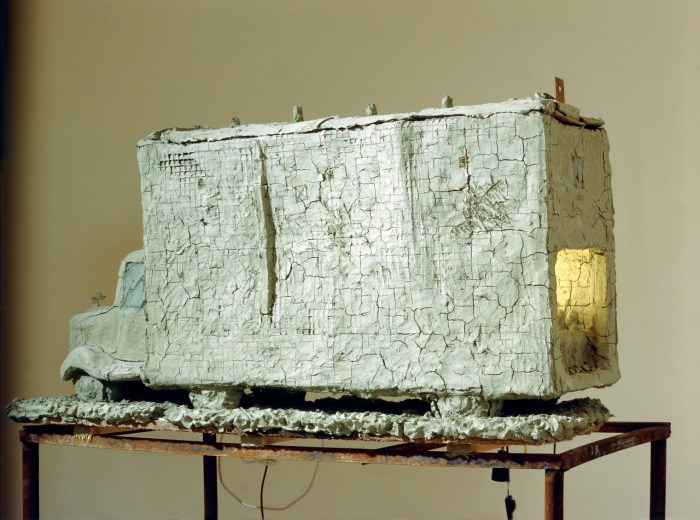
Alexander Brodsky is known for his innovative design techniques that seamlessly blend traditional architecture with modern design concepts. By incorporating unique and creative solutions in his projects, Brodsky has been able to create a distinct architectural style that stands out in the industry.
Integration of Old and New
Brodsy’s approach involves reinterpreting traditional architectural elements in a contemporary context. He often combines historical references with cutting-edge technology to create buildings that are both timeless and forward-thinking.
- One example of Brodsky’s innovative design approach is seen in his project where he transformed an old industrial site into a modern art center. Instead of demolishing the existing structures, he integrated them into the new design, preserving the site’s history while adding a fresh perspective.
- Another unique design solution by Brodsky includes the use of unconventional materials and textures to add a sense of intrigue and sophistication to his buildings. By juxtaposing traditional materials like wood and stone with modern elements like glass and steel, he creates a harmonious balance between the old and the new.
- Furthermore, Brodsky’s focus on sustainability and environmental consciousness is evident in his designs, where he incorporates green technologies and energy-efficient solutions without compromising the aesthetic appeal of the architecture.
Material Experimentation
Alexander Brodsky’s approach to experimenting with different materials is a key aspect of his architectural style. He often combines traditional materials such as wood and brick with more modern elements like glass and steel to create a unique blend of tradition and innovation in his designs.
Innovative Use of Concrete
One example of Brodsky’s material experimentation can be seen in his project “Paper Architects,” where he used concrete in unconventional ways. Instead of using concrete solely for structural purposes, Brodsky incorporated it into the design as a decorative element, creating intricate patterns and textures on the facade of the building.
Metal Mesh and Wood Fusion
In another project called “House of the Dead,” Brodsky combined metal mesh with wood to create a striking contrast between the two materials. The metal mesh provides a modern touch to the traditional wooden structure, showcasing Brodsky’s innovative approach to material use.
Glass and Stone Integration
Lastly, in the project “Garden,” Brodsky seamlessly integrated glass and stone to blur the lines between interior and exterior spaces. The use of these materials not only adds a contemporary feel to the design but also pays homage to the traditional architectural elements found in Russian gardens.
Conceptual Landscapes
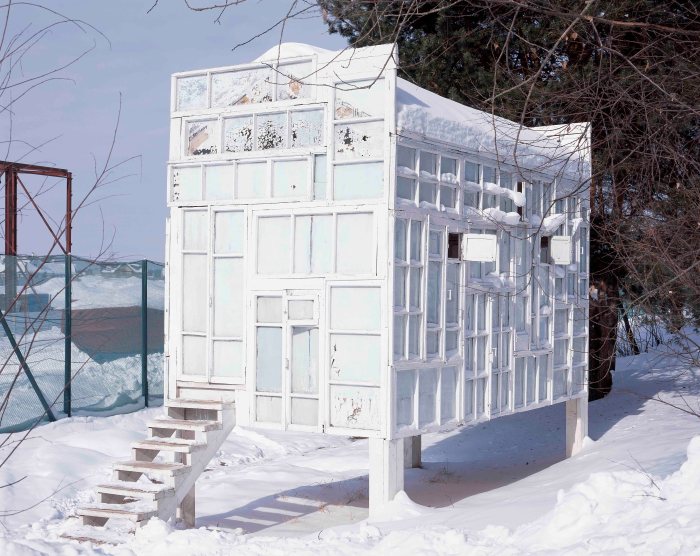
Conceptual landscapes play a crucial role in Alexander Brodsky’s architectural work, allowing him to blend tradition with innovation in a unique way. By integrating nature and landscape elements into his designs, Brodsky creates a harmonious relationship between the built environment and the surrounding natural world.
These conceptual landscapes not only add aesthetic value but also serve as a reflection of Brodsky’s deep connection to the environment.
Integration of Nature and Landscape Elements
In Brodsky’s designs, nature and landscape elements are seamlessly woven into the architectural fabric. Whether through the use of natural materials, incorporation of green spaces, or mimicking natural forms in his structures, Brodsky ensures that each project is in harmony with its surroundings.
This approach not only enhances the visual appeal of his work but also creates a sense of place that is rooted in the natural environment.
Significance of Conceptual Landscapes
Conceptual landscapes hold great significance in Brodsky’s portfolio as they serve as a means of connecting people to their environment on a deeper level. By blurring the boundaries between architecture and nature, Brodsky invites viewers to contemplate the relationship between the man-made and the natural, encouraging a sense of respect and appreciation for the world around us.
Through his innovative use of conceptual landscapes, Brodsky challenges traditional notions of architecture and pushes the boundaries of design to create spaces that not only inspire but also provoke thought.
Closing Notes
In conclusion, Alexander Brodsky’s ability to blend tradition with innovation not only showcases his creativity but also sparks a dialogue on the endless possibilities within the realm of architecture. As we reflect on his work, we are reminded that true artistry knows no bounds, transcending time and trends to create something truly extraordinary.
FAQ Resource
How does Alexander Brodsky incorporate traditional Russian architecture into his designs?
Alexander Brodsky draws inspiration from traditional Russian architecture by incorporating elements like intricate woodwork, ornate carvings, and onion domes in his projects, creating a unique blend of old and new.
What are some examples of Alexander Brodsky’s innovative design techniques?
Alexander Brodsky’s innovative design techniques include using unconventional materials, playing with light and shadow, and reimagining traditional architectural forms in a contemporary context.
How does Alexander Brodsky’s material experimentation contribute to his blend of tradition and innovation?
By experimenting with different materials such as glass, metal, and recycled elements, Alexander Brodsky adds a layer of depth to his designs, showcasing a harmonious mix of tradition and innovation in architectural expression.