Learning from Brodsky: Building Beautiful Public Spaces sets the stage for this enthralling narrative, offering readers a glimpse into a story that is rich in detail and brimming with originality from the outset.
Explore the key principles of design, successful examples, the impact of art and culture, and the importance of community engagement in creating captivating public spaces.
Learning from Brodsky: Building Beautiful Public Spaces
When it comes to designing beautiful public spaces, Brodsky emphasizes several key principles that contribute to the success of the projects:
Key Principles of Design Emphasized by Brodsky
- Integration of nature: Brodsky’s designs often incorporate elements of nature such as greenery, water features, and natural materials to create a harmonious environment.
- Accessibility and inclusivity: Brodsky prioritizes creating spaces that are accessible to all members of the community, regardless of age, ability, or background.
- Attention to detail: Every aspect of Brodsky’s designs, from seating arrangements to lighting, is carefully considered to enhance the overall aesthetic and functionality of the space.
Successful Public Spaces Designed by Brodsky
One example of a successful public space designed by Brodsky is the High Line in New York City, which transformed an old railway into a vibrant park that has become a popular gathering place for locals and tourists alike.
Another example is the Salford Quays in the UK, where Brodsky’s design revitalized a former industrial area into a cultural hub with museums, galleries, and public art installations.
Impact of Incorporating Art and Culture into Public Space Design
- Enhanced aesthetic appeal: Art and cultural elements can add beauty and character to public spaces, making them more engaging and visually appealing.
- Promotion of creativity and expression: By integrating art into public spaces, Brodsky encourages creativity and expression among visitors, fostering a sense of community and connection.
- Increased social interaction: Public spaces that incorporate art and culture often attract diverse groups of people, leading to greater social interaction and a stronger sense of community.
Importance of Community Engagement in Creating Beautiful Public Spaces
Community engagement is crucial in the design and development of public spaces, as it ensures that the needs and preferences of the local residents are taken into account. By involving the community in the planning process, Brodsky creates spaces that resonate with the people who use them, fostering a sense of ownership and pride.
Elements of Brodsky’s Design Philosophy
Brodsky’s design philosophy is characterized by a unique blend of functionality and aesthetics, creating beautiful public spaces that are not only visually appealing but also highly practical and user-friendly. Let’s delve into the main elements that define Brodsky’s approach to public space design.
Integration of Nature
Brodsky’s designs often incorporate elements of nature seamlessly into the urban landscape, creating a harmonious relationship between the built environment and the natural world. By integrating green spaces, trees, and water features, Brodsky’s public spaces offer a sense of tranquility and connection to the environment.
Community Engagement
Another key element of Brodsky’s design philosophy is the emphasis on community engagement. Brodsky actively involves local residents and stakeholders in the design process, ensuring that public spaces are tailored to the needs and preferences of the people who will use them.
This collaborative approach fosters a sense of ownership and pride among the community members.
Timelessness and Durability
Brodsky’s designs prioritize longevity and sustainability, focusing on creating public spaces that will stand the test of time. By using high-quality materials and timeless design principles, Brodsky ensures that his creations remain relevant and functional for years to come.
Balance of Form and Function
One of the hallmarks of Brodsky’s design philosophy is the careful balance between form and function. While his public spaces are undeniably beautiful and visually striking, they are also designed with practicality in mind. Brodsky seamlessly integrates functional elements such as seating, lighting, and wayfinding signage into his designs without compromising on aesthetics.
Comparison with Other Designers
When compared to other prominent architects or urban designers, Brodsky’s approach stands out for its emphasis on sustainability, community engagement, and the seamless integration of nature. While some designers may prioritize avant-garde aesthetics or grandiose gestures, Brodsky’s focus on creating functional, user-friendly public spaces sets him apart in the field.
Role of Sustainability
Sustainability plays a crucial role in Brodsky’s approach to creating beautiful public spaces. By incorporating green technologies, energy-efficient lighting, and environmentally friendly materials, Brodsky ensures that his designs have a minimal impact on the environment. This commitment to sustainability not only benefits the planet but also enhances the overall quality and longevity of his public spaces.
Influences on Brodsky’s Work
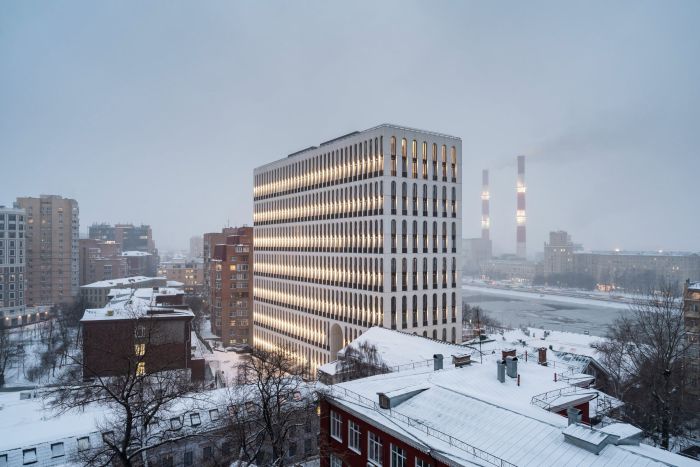
Brooklyn-based architect Jonathan Kirschenfeld Brodsky’s design aesthetic has been significantly influenced by a variety of factors ranging from art and architecture to historical contexts and technological advancements. These influences have played a crucial role in shaping his vision for creating beautiful public spaces that are not only functional but also aesthetically pleasing.
Art and Architecture Influence
Art and architecture have been major influences on Brodsky’s work, with elements of modernism and minimalism evident in his designs. Brodsky’s admiration for artists like Donald Judd and architects such as Mies van der Rohe can be seen in the clean lines, geometric shapes, and use of materials in his projects.
Historical Contexts Influence
Historical contexts have also played a significant role in shaping Brodsky’s vision for public spaces. His deep understanding of the history of a place and its cultural significance is reflected in his designs, which often incorporate elements that pay homage to the past while looking towards the future.
Technological Advancements Impact
Technological advancements have had a profound impact on Brodsky’s design choices, allowing him to experiment with innovative materials and construction techniques. The integration of sustainable technologies and smart design solutions in his projects showcases his commitment to creating environmentally friendly and efficient public spaces.
Personal Experiences Influence
Brotsky’s personal experiences have also informed his approach to designing public spaces. His travels around the world, exposure to different cultures, and interactions with diverse communities have enriched his perspective and inspired him to create inclusive and culturally sensitive designs that resonate with people from all walks of life.
Challenges and Solutions in Public Space Design
Public space design comes with its own set of challenges that designers must address to create beautiful and functional spaces for communities. These challenges often include balancing aesthetics with functionality, ensuring inclusivity and accessibility, and adapting to the diverse needs of users.
Innovative solutions are crucial in overcoming these challenges and creating successful public spaces that enhance the quality of life for all.
Balancing Aesthetics and Functionality
One common challenge in public space design is finding the right balance between aesthetics and functionality. Brodsky’s projects often showcase how beauty can coexist with practicality. For example, incorporating green spaces or art installations into urban settings not only adds visual appeal but also serves a functional purpose by providing areas for relaxation and social interaction.
Inclusivity and Accessibility
Another key challenge is ensuring that public spaces are inclusive and accessible to all members of the community. Brodsky addresses this by incorporating universal design principles that cater to people of all ages, abilities, and backgrounds. This may involve creating barrier-free pathways, installing seating options for different preferences, or providing signage in multiple languages to accommodate diverse users.
Adaptability and Flexibility
Designing public spaces that can adapt to changing needs and preferences is essential for their long-term success. Brodsky’s projects often demonstrate how flexibility in design allows spaces to evolve over time and remain relevant to the community. This may involve designing modular furniture that can be rearranged for different events or programming spaces that can accommodate various activities throughout the year.
Community Engagement and Collaboration
One innovative solution to challenges in public space design is involving the community in the design process. Brodsky emphasizes the importance of collaboration with local residents, businesses, and stakeholders to ensure that public spaces meet the specific needs and desires of the community.
This approach not only fosters a sense of ownership among users but also leads to more sustainable and successful design outcomes.
Last Word
In conclusion, Learning from Brodsky: Building Beautiful Public Spaces leaves us with a deep appreciation for the intricate balance between functionality and aesthetics, community involvement, and the innovative solutions that shape our urban environments.
Essential Questionnaire
What are the key principles of design emphasized by Brodsky?
Brodsky’s design principles focus on blending functionality with aesthetics, community engagement, and cultural influences.
How does Brodsky address inclusivity and accessibility in his designs?
Brodsky tackles inclusivity and accessibility by prioritizing adaptability, flexibility, and innovative solutions tailored to diverse communities.