Embark on a journey of creativity and functionality with Modular Design Tips from Potters Interiors. Discover how the concept of modular design can transform your living spaces, offering flexibility and style in equal measure. Let’s delve into the world of modular interiors and unlock the potential for a personalized and efficient home environment.
Modular Design Benefits for Interiors
Modular design in interior decoration refers to the use of standardized, interchangeable units to create flexible and customizable spaces. This approach allows for easy reconfiguration of furniture and fixtures to adapt to changing needs and preferences.
Enhanced Flexibility in Interior Spaces
Modular design can enhance flexibility in interior spaces in various ways:
- Modular furniture such as sectional sofas or multifunctional storage units can be easily rearranged to accommodate different layouts or functions.
- Wall-mounted modular shelving systems can be adjusted to display decorative items or store belongings based on changing preferences.
- Modular partitions or room dividers offer the flexibility to create separate zones within a space without the need for permanent walls.
Advantages of Using Modular Furniture and Fixtures
There are several advantages to incorporating modular furniture and fixtures in interiors:
- Easy customization: Modular pieces can be mixed and matched to create unique arrangements that suit individual styles and needs.
- Space-saving: Modular furniture is often designed to maximize storage or functionality in small or awkward spaces.
- Cost-effective: Since modular pieces can be reconfigured or added onto over time, they offer a cost-effective solution for evolving interiors.
Incorporating Modular Elements
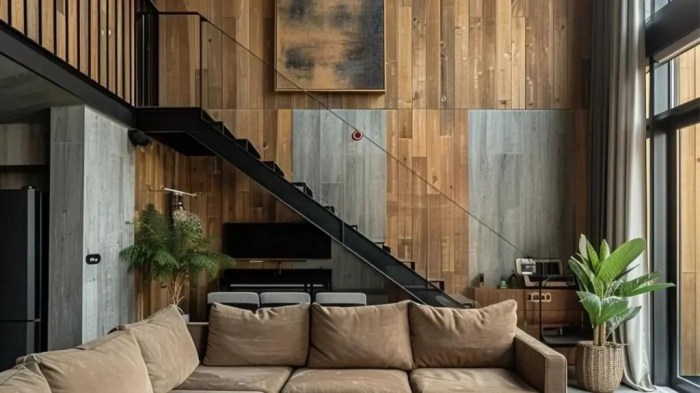
When it comes to incorporating modular elements in interior design projects, there are several tips to keep in mind to achieve a cohesive and personalized look.
Mixing and Matching Modular Pieces
One effective way to create a cohesive look with modular design is by mixing and matching different pieces. Consider combining modular furniture with modular shelving units or storage solutions to add versatility and functionality to the space. Mixing materials, textures, and colors can also help tie the different modular elements together for a harmonious design.
Personalizing Modular Designs
To personalize modular designs and make them suit different interior styles, consider customizing the modular pieces. This could involve choosing different finishes, colors, or configurations that align with the overall aesthetic of the space. Additionally, incorporating personal touches such as unique accessories or decor items can further enhance the personalized feel of the modular design.
Maximizing Space with Modular Design
When it comes to maximizing space efficiency in interior design, modular elements play a crucial role in optimizing the layout and functionality of a space. By strategically incorporating modular design principles, you can make the most out of the available space while maintaining a stylish and organized environment.
Optimizing Storage Solutions
One of the key advantages of modular design is its ability to optimize storage solutions within a space. By customizing modular units such as shelves, cabinets, and drawers to fit specific dimensions, you can efficiently utilize every inch of available space.
For example, modular shelving systems can be adjusted and rearranged to accommodate different items, ensuring a clutter-free and organized environment.
Functionality Consideration
When implementing modular elements in interior design, it is essential to consider the functionality of each piece. Modular furniture and storage solutions should not only look aesthetically pleasing but also serve a practical purpose. For instance, a modular sofa with built-in storage compartments can provide both seating and organization options, making it a versatile and functional piece of furniture.
Sustainable Modular Design Practices
When it comes to creating modular interiors, sustainability plays a crucial role in minimizing environmental impact and promoting long-term durability. By exploring sustainable materials and practices, you can design spaces that not only look great but also contribute to a greener planet.
Choosing Eco-Friendly Materials
- Opt for recycled or upcycled materials to reduce waste and conserve natural resources.
- Look for sustainably sourced wood and bamboo for furniture and fixtures.
- Consider using low VOC (volatile organic compound) paints and finishes to improve indoor air quality.
Environmental Benefits of Modular Design
- Modular design allows for more efficient use of materials, reducing overall waste in construction and renovation projects.
- Flexibility in modular layouts can adapt to changing needs, minimizing the need for extensive remodeling and further reducing waste.
- By incorporating energy-efficient lighting and appliances, modular interiors can help lower energy consumption and decrease carbon footprint.
Designing for Longevity and Eco-Friendliness
- Focus on timeless design elements that won’t go out of style, ensuring your modular space remains relevant for years to come.
- Invest in high-quality, durable materials that can withstand wear and tear, reducing the frequency of replacements and disposals.
- Consider the lifecycle of products and materials used in your design to make informed choices that prioritize sustainability.
End of Discussion
In conclusion, Modular Design Tips from Potters Interiors opens up a realm of possibilities in interior decoration. From maximizing space efficiency to embracing sustainable practices, modular design offers a versatile and eco-friendly approach to designing your living spaces. Embrace the tips and ideas shared to create a harmonious and personalized environment that reflects your unique style and values.
FAQ Summary
How can modular design enhance flexibility in interiors?
Modular design allows for versatile arrangements and configurations of furniture and fixtures, providing adaptability to changing needs and preferences.
What are some tips for incorporating modular elements in interior design projects?
Start by identifying key areas where modular pieces can be used effectively, mix and match different elements for a cohesive look, and personalize designs to match your style.
Why is it important to consider functionality when implementing modular elements?
Functionality ensures that the modular design not only looks good but also serves practical purposes, making the most out of the available space.