Embark on a journey through the world of Fine Homebuilding Techniques for Exterior and Interior. From high-quality materials to innovative storage solutions, this guide covers it all in a casual formal language style that will keep you hooked till the end.
Fine Homebuilding Techniques for Exterior
When it comes to building a home, the exterior is just as important as the interior. High-quality materials, weatherproofing techniques, and energy-efficient features all play a crucial role in creating a durable and comfortable living space.
High-Quality Materials for Exterior Homebuilding
Using premium materials is essential for ensuring the longevity and aesthetic appeal of a home’s exterior. Some examples of high-quality materials commonly used in exterior homebuilding include:
- Fiber cement siding: Durable, low-maintenance, and resistant to fire, rot, and pests.
- Composite decking: Long-lasting, eco-friendly alternative to traditional wood decking.
- Stone veneer: Adds a touch of elegance and natural beauty to the exterior facade.
Importance of Weatherproofing Techniques for Exterior Walls
Proper weatherproofing is crucial for protecting a home from the elements and preventing moisture-related issues. Some key weatherproofing techniques for exterior walls include:
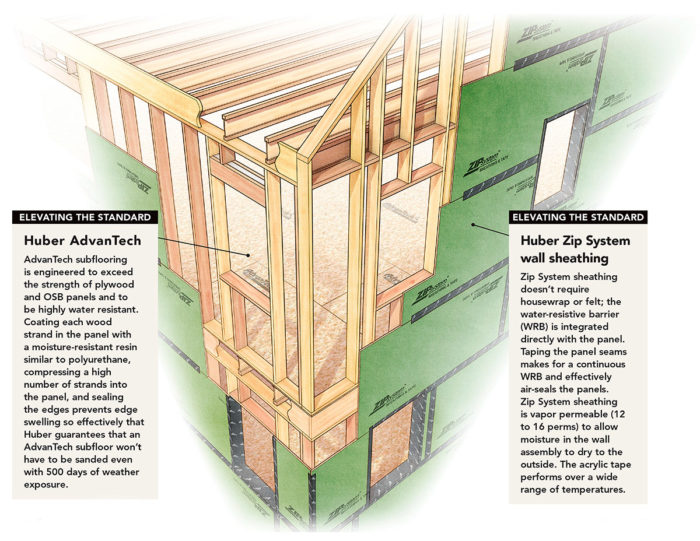
- Installing a weather-resistant barrier: Acts as a shield against water infiltration while allowing the walls to breathe.
- Sealing gaps and cracks: Ensures that no water can seep into the walls, causing damage over time.
- Proper flashing installation: Helps direct water away from vulnerable areas like windows, doors, and corners.
Installing Energy-Efficient Windows in a Home
Energy-efficient windows play a significant role in reducing heating and cooling costs while enhancing comfort levels inside the home. The process of installing energy-efficient windows involves:
- Selecting windows with low U-values and high R-values for optimal insulation.
- Properly sealing around the window frame to prevent air leaks and drafts.
- Consider using double or triple-pane windows with low-E coatings to minimize heat transfer.
Fine Homebuilding Techniques for Interior
When it comes to interior design and construction, there are several key techniques and considerations that can make a significant impact on the overall look and feel of a home.
Types of Paint Finishes Suitable for Interior Walls
Choosing the right paint finish for interior walls is essential for achieving the desired aesthetic and functionality. Here are some common types of paint finishes:
- Eggshell: Offers a soft, low-sheen finish that is easy to clean and suitable for living rooms and bedrooms.
- Satin: Provides a slightly higher sheen than eggshell and is durable and washable, making it ideal for high-traffic areas like hallways and kitchens.
- Semi-gloss: Delivers a shiny finish that is highly durable and easy to clean, perfect for areas prone to moisture such as bathrooms and kitchens.
- Flat: Creates a matte finish that is great for hiding imperfections on walls, best suited for low-traffic areas like ceilings and formal dining rooms.
Innovative Storage Solutions for Maximizing Space
Maximizing space in interior design is crucial for creating a functional and organized home. Consider the following innovative storage solutions:
- Built-in Shelving: Utilize vertical wall space for storage, display, and organization without taking up floor space.
- Multipurpose Furniture: Choose furniture pieces that offer hidden storage compartments or can serve multiple functions to optimize space.
- Under-Stair Storage: Transform the space under a staircase into functional storage areas for items like shoes, books, or seasonal decorations.
Benefits of Using Eco-Friendly Materials in Interior Construction
Using eco-friendly materials in interior construction not only benefits the environment but also promotes a healthier living space for occupants. Some advantages include:
- Improved Indoor Air Quality: Eco-friendly materials are often free from harmful chemicals and toxins, contributing to better air quality inside the home.
- Sustainability: Choosing renewable and recyclable materials helps reduce environmental impact and promotes a more sustainable lifestyle.
- Durability: Many eco-friendly materials are durable and long-lasting, reducing the need for frequent replacements and maintenance.
Outcome Summary
As we conclude our exploration of Fine Homebuilding Techniques for Exterior and Interior, remember that attention to detail and quality craftsmanship are key in creating your dream home. We hope this guide has inspired you to take on your next home improvement project with confidence and creativity.
FAQ Corner
What are some high-quality materials used in exterior homebuilding?
Common examples include cedar wood, fiber cement siding, and natural stone. These materials offer durability and aesthetic appeal to your home’s exterior.
Why is weatherproofing important for exterior walls?
Weatherproofing helps protect your home from moisture, preventing damage and mold growth. It also improves energy efficiency by sealing gaps and cracks.
What are some benefits of using eco-friendly materials in interior construction?
Eco-friendly materials are sustainable, non-toxic, and often energy-efficient. They contribute to a healthier indoor environment and reduce your carbon footprint.