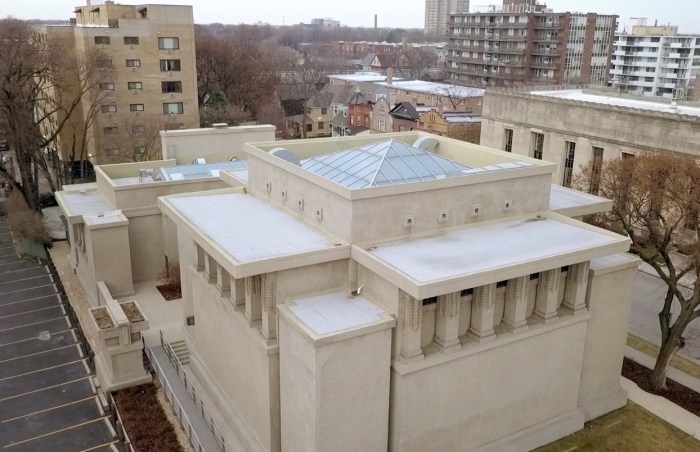
Embark on a journey through the architectural marvel that is Unity Temple by Frank Lloyd Wright. Dive into the key elements and design principles that define this iconic structure, unveiling a world where form meets function in perfect harmony.
Delve deeper into the materials, interior design, and environmental integration that make Unity Temple a timeless masterpiece worth exploring.
Architectural Style
Unity Temple by Frank Lloyd Wright embodies the Prairie School architectural style, which is characterized by horizontal lines, flat or hipped roofs with broad overhanging eaves, and an integration with the surrounding landscape. This style emphasizes simplicity, craftsmanship, and the use of natural materials.
Key Elements
- Horizontal emphasis: Unity Temple features horizontal lines that create a sense of continuity and unity throughout the building.
- Use of natural materials: Wright incorporated materials such as brick, concrete, and wood to complement the organic feel of the design.
- Integration with nature: The building’s design seamlessly blends with its surroundings, blurring the lines between interior and exterior spaces.
Reflecting Wright’s Principles
Unity Temple showcases Frank Lloyd Wright’s architectural principles of organic architecture, which seeks to harmonize human habitation with the natural world. The building’s open floor plan, innovative use of light, and attention to detail all exemplify Wright’s belief in creating spaces that enhance the lives of their occupants.
Building Materials
Unity Temple, designed by Frank Lloyd Wright, utilized a unique selection of building materials that not only reflected the architect’s vision but also contributed to the overall aesthetic and functionality of the building.
Primary Building Materials
Concrete
Unity Temple is renowned for its innovative use of exposed concrete, showcasing its raw beauty and structural integrity.
Stained Glass
Intricate stained glass windows were incorporated into the design, adding a touch of color and spirituality to the interior spaces.
Wood
Richly textured wood was used for the interior furnishings and trim, creating warmth and contrast against the concrete elements.
Steel
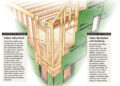
Steel was employed for structural support, allowing for large open spaces and unique cantilevered features.
Significance of Materials
Frank Lloyd Wright’s choice of materials for Unity Temple was revolutionary at the time, as he sought to move away from traditional architectural practices. Concrete, in particular, was a bold choice that showcased the beauty of an often-overlooked material. The stained glass added an element of artistry and reverence, while the wood and steel provided a harmonious balance of warmth and strength.
Contribution to Aesthetic and Functionality
The materials used in Unity Temple not only contributed to its striking visual appeal but also enhanced its functionality. The exposed concrete created a sense of unity and simplicity, while the stained glass windows filtered natural light in a way that added a spiritual ambiance to the space.
The combination of wood and steel added both beauty and structural integrity, allowing for the creation of dynamic spaces that were both visually stunning and practical.
Interior Design
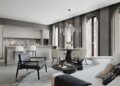
Unity Temple, designed by Frank Lloyd Wright, features a revolutionary interior design that reflects his innovative architectural style. The interior of the temple is a harmonious blend of form and function, with meticulous attention to detail and a focus on creating a unique spatial experience for visitors.
Main Sanctuary
The main sanctuary of Unity Temple is a striking space with bold geometric shapes and clean lines. The use of natural light is a key element of the design, with skylights and stained glass windows providing a warm and inviting atmosphere.
The seating arrangement is unconventional, with pews arranged in a circular pattern around a central pulpit, creating a sense of unity and community among worshippers.
Materials and Textures
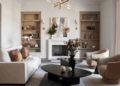
Wright’s use of materials such as concrete, wood, and glass in the interior of Unity Temple adds to the modern and organic feel of the space. The exposed concrete walls and ceilings, along with the intricate woodwork and furniture, create a sense of warmth and authenticity.
The play of light and shadow on these materials further enhances the visual interest of the interior.
Functional Spaces
In addition to the main sanctuary, Unity Temple also features functional spaces such as meeting rooms, offices, and a library. Each of these spaces is designed with the same attention to detail and emphasis on natural light and materials. The continuity of design throughout the building creates a cohesive and seamless user experience for visitors.
Overall Experience
The interior design of Unity Temple plays a crucial role in enhancing the overall user experience of the space. The thoughtful layout, use of materials, and play of light create a sense of harmony and tranquility that is conducive to reflection and contemplation.
Visitors to Unity Temple are not only inspired by the architectural beauty of the space but also by the spiritual and emotional connections that the interior design evokes.
Environmental Integration
Frank Lloyd Wright’s design of Unity Temple seamlessly integrates nature and natural elements, creating a harmonious relationship between the building and its surrounding environment. The architectural features of Unity Temple not only promote sustainability but also celebrate the beauty of nature.
Incorporation of Nature
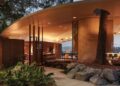
Unity Temple is surrounded by lush greenery, with large windows strategically placed to allow natural light to flood the interior spaces. The use of natural materials such as wood and stone further connects the building to its environment, blurring the lines between indoor and outdoor spaces.
Relationship with Surrounding Environment
The design of Unity Temple reflects the landscape around it, with its horizontal lines mirroring the horizon and flat roof blending seamlessly with the natural surroundings. The building’s open floor plan and fluid layout invite nature into the space, creating a sense of tranquility and connection to the outdoors.
Promotion of Sustainability
Frank Lloyd Wright’s use of passive solar design, natural ventilation, and energy-efficient materials in Unity Temple showcases his commitment to sustainable architecture. The building’s orientation and shading devices optimize natural light and reduce the need for artificial lighting, while the use of local materials minimizes environmental impact.
This thoughtful approach to sustainability not only enhances the building’s energy efficiency but also promotes a sense of harmony with nature.
End of Discussion
In conclusion, Unity Temple by Frank Lloyd Wright stands as a testament to innovative design and timeless beauty. Its architectural highlights continue to inspire and captivate visitors, leaving a lasting impression of Wright’s genius.
Common Queries
What materials were used in the construction of Unity Temple?
The primary building materials used in the construction of Unity Temple include reinforced concrete, brick, and art glass.
How does the interior design of Unity Temple enhance the user experience?
The interior design of Unity Temple features unique layouts and decorations that create a sense of serenity and contemplation, enhancing the overall user experience within the space.
What architectural principles of Frank Lloyd Wright are reflected in the design of Unity Temple?
Unity Temple reflects Wright’s principles of organic architecture, where the building harmoniously integrates with its natural surroundings, promoting sustainability and a sense of unity with nature.